
Frequently Asked Questions
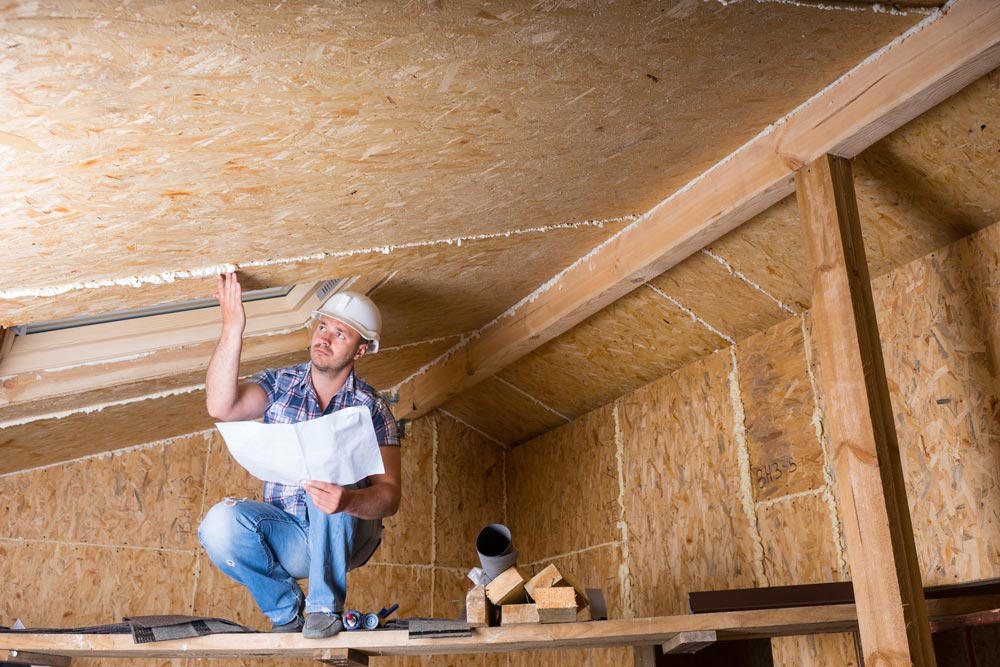
What is a home inspection?
First, there are many types of home inspections:
- Buyer's Inspection. This is typically performed for (and paid for by) a buyer who is seriously interested in a home. It is performed before the sale is complete, while the buyer and seller are under contract. The purpose is to find out if the home has any defects or deficiencies that could adversely affect the home's value or anyone's health and safety.
- Seller's Inspection. This is performed for (and paid for by) the seller, prior to listing the property. The purpose is to find out if the home has any problems, and either: (1) get them fixed before listing the house, or (2) adjust the sale price accordingly. But is a seller's inspection really necessary? Click here to read more about seller's inspections.
- Specialty Inspections. Examples of these are: pool & spa, mold, radon, log home, mobile home inspections, etc. A home inspector offering any of these services should have special training in these areas.
- Insurance Inspections. An example of this is a 4-point inspection, which focuses on 4 systems of the home: roof, HVAC, plumbing and electrical. Another example is a wind mitigation inspection, used to show if a house has been strengthened to withstand high winds (as in a hurricane).
- New Construction Inspections. These are performed before a buyer moves into a brand new house and can even be performed at various stages of the home's construction.
- One-year Warranty Inspections. These are performed before a home's one-year warranty expires, typically near the 11th month. If problems found are covered by the builder's warranty, the homeowner does not have to pay to fix them.
Why perform a home inspection?
There are many reasons to have a home inspection performed:
- To help the buyer better understand the condition of the home.
- To find any health or safety problems.
- To find out if there are any maintenance issues with the the home.
- To find out if there are any major defects or deficiencies in the house.
- To reduce risk, which is inherent in any investment.
- Lastly, many home buyers say that the home inspection provides peace of mind.
What is a home inspector?
A home inspector can be considered a generalist, as opposed to a specialist. Our job is to observe, describe, and recommend. We observe the visible (and accessible) systems & components of the home. We describe what we see (and often report what we don't see). Then, we recommend to our client what to do: repair, replace, evaluate further, or monitor. We then create for our client a written report, based on these observations. You could consier this report a "snapshot in time." It's a summary of the observable condition of the house at the time of the inspection. An inspection report does not include any guarantees, repair estimates, or predictions of the future.
There are some misconceptions about home inspectors, so we'll also cover what they are NOT. Most inspectors are not specialists, and the work we do is not technically exhaustive. We are also not code enforcers. Inspectors are not experts with specialized knowledge of EVERY system and component of the home. Conversely, we have a general knowledge of these items. To generate a report that is technically exhaustive would take an enormous amount of time, and it would cost the client many thousands of dollars. Instead, the home inspector offers a reasonable alternative: a general, unbiased, visual observation of the conditions of the home, on a given day, based on his/her professional knowledge, training and experience—all for a fraction of the cost, and done in a fraction of the time.
What are the Standards of Practice?
The Standards of Practice (S.O.P.) are guidelines set forth by InterNACHI® that indicate what a home inspector is required to do (at a miniumum) as well as what he/she is NOT reauired to do. The S.O.P. consist of 10 categories, listed below. We encourage our clients to get familiar with these standards.
- Roof
- Exterior
- Basement, Foundation, Crawl Space and Structure
- Heating
- Cooling
- Plumbing
- Electrical
- Fireplace
- Attic, Insulation and Ventilation
- Doors, Windows and Interior
Why is a code of ethics important in home inspection?
There are many reasons why an inspector must abide by a code of ethics. First, the inspector must be unbiased when reporting on the condition of the home. It's hard to be unbiased if someone (the agent, homeowner, etc.) is paying you to "go easy" in your report. Inspectors must avoid having conflicts of interest in any home they inspect. That means we cannot offer to fix anything in a home we inspected for at least 12 months after the inspection. Home inspectors are also not permitted to pay agents or brokers to get on their "preferred inspector" list. Click here to learn more about the InterNACHI® Code of Ethics.